About Me
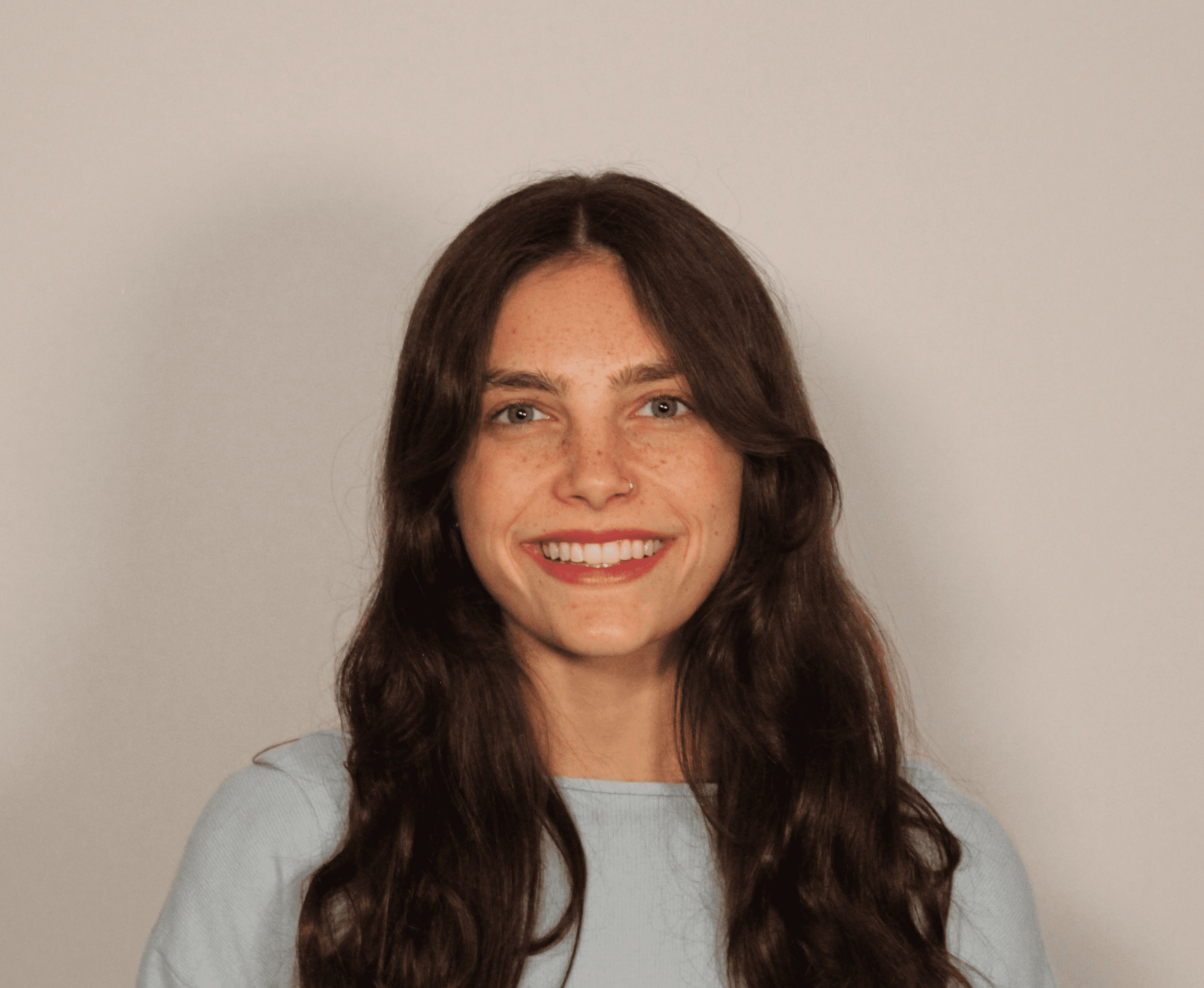
My name is Olivia Levine. I study Business and Design at Northeastern University, with a concentration in Marketing and a minor in Global Fashion Studies.
My journey as an artist started with acrylic painting in 2020. A lot of my work centers around the idea of escape. Escape from the reality, fears and stressors of my life. An escape portal to another world of a dream reality that I create, where energy and emotion take priority over literal representation. My work features themes of fantasy landscapes such as vibrant skies, oceans, flowers, clouds and mountains, blends of light and shadows, dimension and textures to portray a visual story.
I love crafting a new dimension to step into in the worlds of design, graphic arts, fashion and marketing. I've kept my prevalent themes as my true north, so others can feel the excitement that I do about entering a dream reality world themselves. And write their own personal story in it.
My work lives at the intersection of visual storytelling, technical craft, and genuine curiosity about how things are made. I care about how design tells stories, the kind that actually land. Whether it's a concert poster, a motion graphic, or a design system built from scratch. In my work I use images, typography, graphic and information design, AI and marketing skills, which I acquired after years of retail fashion expertise. I've built a working Claude + Blender MCP pipeline that lets me generate and render 3D scenes entirely through conversation. I used it to create the animated sphere for my Tame Impala poster: a full Blender Python script, a 6-color refraction shader chain, and a looping animation. I work with Claude daily, through APIs, Claude Code, Vibe Coding, and custom MCP server integrations. I've built Framer components, debugged rendering pipelines, and automated workflows that used to take hours. I'm comfortable with API keys, prompt engineering, and chaining tools together to get outputs that feel intentional.
I think the designers who understand AI as a medium, not a shortcut, are going to define what design looks like in the next decade. I want to be one of them.
In my work, I'm always asking the same question: what feeling does this need to evoke in the viewer and what's the clearest path to getting there?
My Toolkit Includes:
About Me
My name is Olivia Levine. I study Business and Design at Northeastern University, with a concentration in Marketing and a minor in Global Fashion Studies.
My journey as an artist started with acrylic painting in 2020. A lot of my work centers around the idea of escape. Escape from the reality, fears and stressors of my life. An escape portal to another world of a dream reality that I create, where energy and emotion take priority over literal representation. My work features themes of fantasy landscapes such as vibrant skies, oceans, flowers, clouds and mountains, blends of light and shadows, dimension and textures to portray a visual story.
I love crafting a new dimension to step into in the worlds of design, graphic arts, fashion and marketing. I've kept my prevalent themes as my true north, so others can feel the excitement that I do about entering a dream reality world themselves. And write their own personal story in it.
My work lives at the intersection of visual storytelling, technical craft, and genuine curiosity about how things are made. I care about how design tells stories, the kind that actually land. Whether it's a concert poster, a motion graphic, or a design system built from scratch. In my work I use images, typography, graphic and information design, AI and marketing skills, which I acquired after years of retail fashion expertise. I've built a working Claude + Blender MCP pipeline that lets me generate and render 3D scenes entirely through conversation. I used it to create the animated sphere for my Tame Impala poster: a full Blender Python script, a 6-color refraction shader chain, and a looping animation. I work with Claude daily, through APIs, Claude Code, Vibe Coding, and custom MCP server integrations. I've built Framer components, debugged rendering pipelines, and automated workflows that used to take hours. I'm comfortable with API keys, prompt engineering, and chaining tools together to get outputs that feel intentional.
I think the designers who understand AI as a medium, not a shortcut, are going to define what design looks like in the next decade. I want to be one of them.
In my work, I'm always asking the same question: what feeling does this need to evoke in the viewer and what's the clearest path to getting there?
My Toolkit Includes:
About Me
My name is Olivia Levine. I study Business and Design at Northeastern University, with a concentration in Marketing and a minor in Global Fashion Studies.
My journey as an artist started with acrylic painting in 2020. A lot of my work centers around the idea of escape. Escape from the reality, fears and stressors of my life. An escape portal to another world of a dream reality that I create, where energy and emotion take priority over literal representation. My work features themes of fantasy landscapes such as vibrant skies, oceans, flowers, clouds and mountains, blends of light and shadows, dimension and textures to portray a visual story.
I love crafting a new dimension to step into in the worlds of design, graphic arts, fashion and marketing. I've kept my prevalent themes as my true north, so others can feel the excitement that I do about entering a dream reality world themselves. And write their own personal story in it.
My work lives at the intersection of visual storytelling, technical craft, and genuine curiosity about how things are made. I care about how design tells stories, the kind that actually land. Whether it's a concert poster, a motion graphic, or a design system built from scratch. In my work I use images, typography, graphic and information design, AI and marketing skills, which I acquired after years of retail fashion expertise. I've built a working Claude + Blender MCP pipeline that lets me generate and render 3D scenes entirely through conversation. I used it to create the animated sphere for my Tame Impala poster: a full Blender Python script, a 6-color refraction shader chain, and a looping animation. I work with Claude daily, through APIs, Claude Code, Vibe Coding, and custom MCP server integrations. I've built Framer components, debugged rendering pipelines, and automated workflows that used to take hours. I'm comfortable with API keys, prompt engineering, and chaining tools together to get outputs that feel intentional.
I think the designers who understand AI as a medium, not a shortcut, are going to define what design looks like in the next decade. I want to be one of them.
In my work, I'm always asking the same question: what feeling does this need to evoke in the viewer and what's the clearest path to getting there?
My Toolkit Includes: